10 closet organization tips, including what to do with the off-season half
Half of what's in a closet is waiting for the weather to change. Organize the half you wear by reach, store the rest clean and sealed, and keep track of which bin the parka went into.
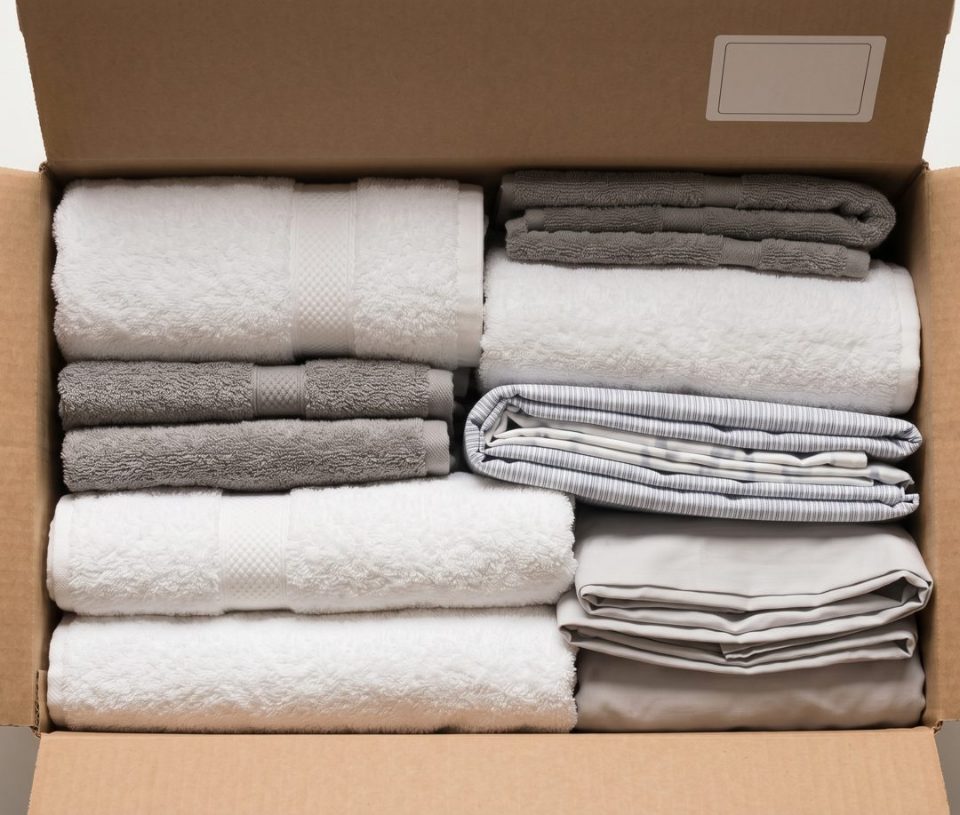
Matching velvet hangers and a weekend purge help a little. What keeps a closet usable is a few habits about reach and rotation, plus a plan for the clothes you aren't wearing this season, which is where most closets fall apart.
Do one category at a time, not the whole closet
Empty the whole closet onto the bed on Saturday and it's probably still there Sunday night. Pull one category at a time: jeans, then sweaters, then shoes. Spend about twenty minutes on each, sort into keep, donate and repair, and put the keepers back. You'll spot the fourth navy sweater, and you can still get dressed halfway through.
Reserve the prime zone for what you wear every week
The front half of the rod, between hip and eye height, is the easy-reach part of the closet. Fill it with what you wear weekly this season. Occasional clothes like the suit go at the ends of the rod, and off-season clothes go up top or out of the room. If you're setting rod heights, This Old House suggests a double-hang top rod at 80 to 82 inches with the lower one at about 40, and 50 to 60 inches of clear drop for long items.
Hang what drapes, fold what stretches
Hang shirts, dresses, creased trousers and blazers. Fold sweaters, cardigans and heavy cotton tees, because hangers stretch the shoulders over a season. Keep folded stacks to four or fewer, or file-fold them upright in a drawer. T-shirts and jeans can go either way, so pick whichever you'll actually put back.
One hanger type, and fewer than you own now
Mixed hangers don't nest, so they take up more rod space and catch on each other. Pick one slim type and buy only as many as the rod should hold, which is probably fewer than you think. If there's no free hanger for a new shirt, something has to come off the rod first.
Flip the hangers once, and check in six months
Turn every hanger backwards today. When you wear something, hang it back the normal way. In six months, anything still facing backwards went unworn for a whole season. The only hard part is not turning them around just to make the rod look neat. A strip of tape on shoebox lids works the same way.
One in, one out, with the donate bag inside the closet
Hang a cloth bag inside the closet door. When something new comes in, something else goes in the bag. When it's full, put it in the car and drop it off on your next errand. It works even if you're not strict about it, because you see the bag every time you open the door.
Clean everything before it goes into off-season storage
Clothes moths and carpet beetles eat animal fibres (wool, cashmere, silk, fur, feathers) and prefer items with food, sweat or skin oil on them. The University of Kentucky's entomology department notes that the larvae need that soil. Washing or dry-cleaning everything before it's packed, then storing it in a container that seals, does more than any repellent. The same source rates cedar closets and chests “seldom effective,” and UC IPM notes the scent fades. Mothballs are a pesticide meant for sealed containers only, not for loose use in a closet.
Choose the right container for the fabric
- Cotton, synthetics, denim: plastic totes with tight lids or under-bed boxes, with a cotton pillowcase or sheet between the clothes and the plastic.
- Wool, cashmere, silk: sealed totes after cleaning, with acid-free tissue in the folds. Skip cardboard, which attracts moths and silverfish.
- Heirloom or delicate textiles: no plastic for long-term storage. North Carolina's historic sites conservators advise against plastic dry-cleaning bags and plastic totes because plasticizers and trapped moisture cause damage. Use acid-free boxes or a washed cotton sheet.
- Down and feather fill: store it loose, not compressed. Feathered Friends recommends a large cotton sack or a hanger in a ventilated closet, since vacuum bags crush the loft.
- No dry-cleaning bags. They trap moisture, and chemicals off-gas into the fabric.
Keep off-season bins out of the attic and off the basement floor
Attics can top 120°F on a hot afternoon, which breaks down elastic, adhesives and dyes. Basements are damp. Better spots are the closet's top shelf, under the bed, a spare-room closet, or a basement shelf off the floor with a dehumidifier running. If it has to be the attic, use sealed totes, keep natural fibres out, and air things before wearing them.
Photograph each bin and record where it went
In April you know which bin has the swimsuits. By October you just remember there's a bin somewhere. Before closing each lid, take a top-down photo, write a short code on the short side (C-UB-02 for closet, under-bed, two) and note where it's going. When the weather turns, check the photos instead of opening everything under the bed.
How StorageBuddy helps with your closet
- The swap in one list. Tag bins by season and see every winter bin grouped by location, so the October swap takes one trip.
- Find one item. Search or ask for a specific sweater, coat or pair of boots and get the bin and shelf.
- Labels on anything. Print QR labels on Avery sheets or a Brother, DYMO or Niimbot printer. Scanning one with a phone camera shows what's in the bin, no app needed.
- Shared with the household. Your partner sees the same bins and can update one when it moves rooms. The move is recorded with a date.
Free to start: your first 10 containers per space with unlimited items, QR labels, sharing, offline capture and full export. Plus and Lifetime lift the container cap. Nothing you catalog ever expires.
The seasonal closet swap checklist
Print it, stick it on the bin, tick it off. One page.
- Sort one category at a time: keep, donate, repair
- Keep this season's weekly wear at the front, hip to eye height
- Hang what drapes; fold knits in stacks of four or fewer
- Use one hanger type, only as many as the rod holds
- Flip every hanger backwards; check in six months
- Hang a donate bag inside the door
- Wash or dry-clean everything before packing it away
- Use sealed totes with a cotton layer; tissue for wool and silk
- Skip dry-cleaning bags; store down loose
- Keep bins out of the attic and off the basement floor
- Photograph, code and note the location of each bin
From “10 closet organization tips, including what to do with the off-season half” · https://storagebuddy-ai.com/blog/closet-organization-tips · StorageBuddy AI
Questions people ask
What's the best way to organize a small closet?
Keep the front of the rod, hip to eye height, for weekly wear. Add a second rod to double-hang short items, use the back of the door for shoes or bags, and move off-season clothes out into labelled bins. A small closet works best holding one season at a time.
How do you store off-season clothes?
Clean everything, then pack it in sealed totes with a cotton layer (acid-free tissue for wool and silk, no plastic for heirlooms). Keep bins out of hot attics and off basement floors, and photograph and label each one.
Do cedar blocks keep moths away?
Not reliably. University extension entomologists rate cedar closets and chests as seldom effective, and cedar oil weakens over time. Cleaning the clothes and sealing the container is what works.
Do vacuum storage bags ruin clothes?
They're fine short term for cotton and synthetics. Avoid them for down, wool and anything with structure, since months of compression crush loft and fibres and can set creases. Down makers advise storing it loose.
How often should you declutter your closet?
Twice a year, at each seasonal swap, if you keep up one in, one out in between. The hanger flip shows you what to let go of.
Sources & further reading
- University of Kentucky Entomology, Clothes moths (ENTFACT-609) and Carpet beetles (ENTFACT-601): clean before storage; sealed containers; cedar seldom effective.
- UC Statewide IPM Program, Clothes moths: airtight storage of clean items; cedar oil fades.
- Clemson Cooperative Extension HGIC, Controlling fabric pests.
- National Pesticide Information Center, Mothballs: a pesticide for sealed containers only.
- North Carolina Historic Sites, Caring for your textiles: no plastic dry-cleaning bags or plastic totes for textiles; acid-free materials.
- Nebraska Extension, Care of quilts (G1820): no plastic bags; line cedar and cardboard with acid-free tissue or muslin.
- Feathered Friends, Down care guide: store down uncompressed in a breathable sack.
- This Old House, Cut the clutter with proper closet organization: rod heights and shelf depths.
Keep reading
10 attic storage tips (and what should never go up there)
An attic is the hottest, least-visited room in the house. Store only what can take 140°F, and keep a record good enough that you never have to climb up and check.

Holiday decoration storage: 10 tips for Halloween, Hanukkah, Christmas and more
October to January is one long storage season. Give each holiday its own tote and lid colour, pack powered props and inflatables the way their makers say, keep wax and latex out of the heat, and photograph each tote before it closes.

10 toy storage ideas that survive a birthday party
Put fewer toys out, rotate the rest from labelled totes, give each category one home a child can reach, and keep small parts away from the toddler.